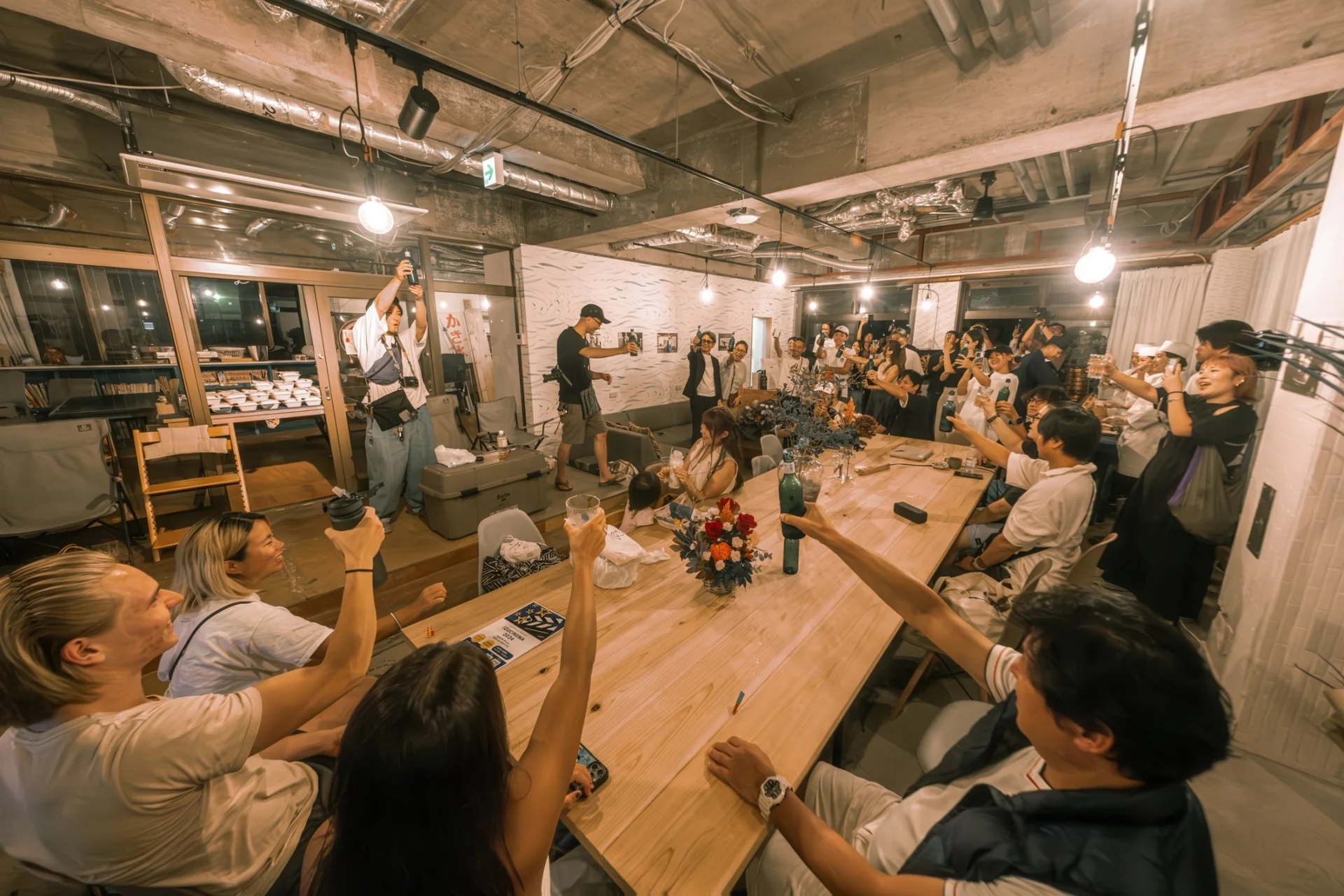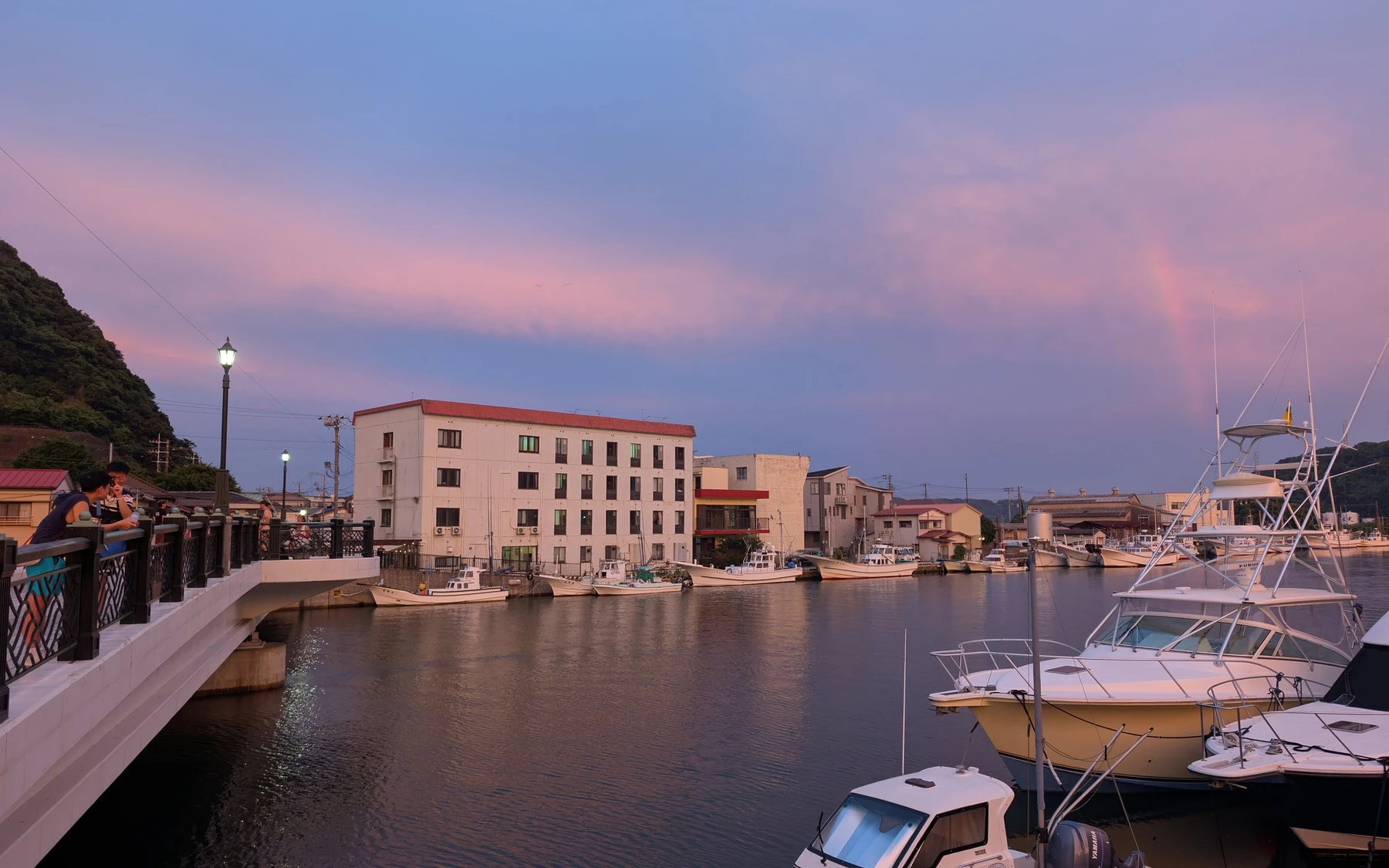
はじまりは、建物よりも人に惹かれたこと。It began with people, as much as buildings.
東京・新宿で育ち、大学で建築を学んだ後、設計の仕事に就きました。仕事を続けるうちに関心が向いたのは、建物そのものだけでなく、そこで人がどう過ごすかということです。I grew up in Shinjuku, Tokyo, and studied architecture at university. Working in design, I became interested not only in buildings themselves, but in how people spend their time inside them.
建築現場で働きながら飲食店で経験を積み、27歳で東京にバーを開きました。内装を自分たちでつくり、古着や本を並べ、展示やライブも開く。この小さな店での試みが、今の風まちにつながっています。After working on construction sites and gaining experience in restaurants, I opened a bar in Tokyo at 27. We built the interior ourselves, sold secondhand clothes and books, and hosted exhibitions and live music. Many of the ideas behind Kazemachi began there.
店は4年で閉じることになり、近隣やお客さまとのトラブルを通じて、場を続けていくには、思いだけでは足りないことも学びました。The bar closed after four years. Difficulties with neighbors and customers taught me that enthusiasm alone is not enough to keep a shared place going.
旅と仕事を経て、暮らしを考え直す。Travel, work and a different way of living.
店を閉じた後は各地を旅しながら働き、やがてリノベーションの仕事に戻って、既存の建物を再生する現場を担当しました。地方の豊かな風景や、使われなくなった建物は、今も印象に残っています。After the bar closed, I spent time traveling and working around Japan. The richness of rural places, and the number of unused buildings, stayed with me. I later returned to construction, this time managing renovation projects.
初めての子どもを迎えようとしていた2011年、東日本大震災をきっかけに暮らしを見直し、食べ物やエネルギーを自分の手でもつくれる暮らしに関心を持ちました。The 2011 earthquake prompted me to reconsider how we lived. We were expecting our first child, and I became interested in being able to produce some of our own food and energy.
三重県の山間部で自給自足を試す中で、私にとって大切だと感じたのは、生活の手段だけでなく、人とのつながりや、誰かの役に立てる実感です。We tried a more self-sufficient life in the mountains of Mie. The experience helped me see how much I personally needed connection with other people, alongside the practical skills of daily living.
2017年、家族で下田へ。Moving to Shimoda in 2017.
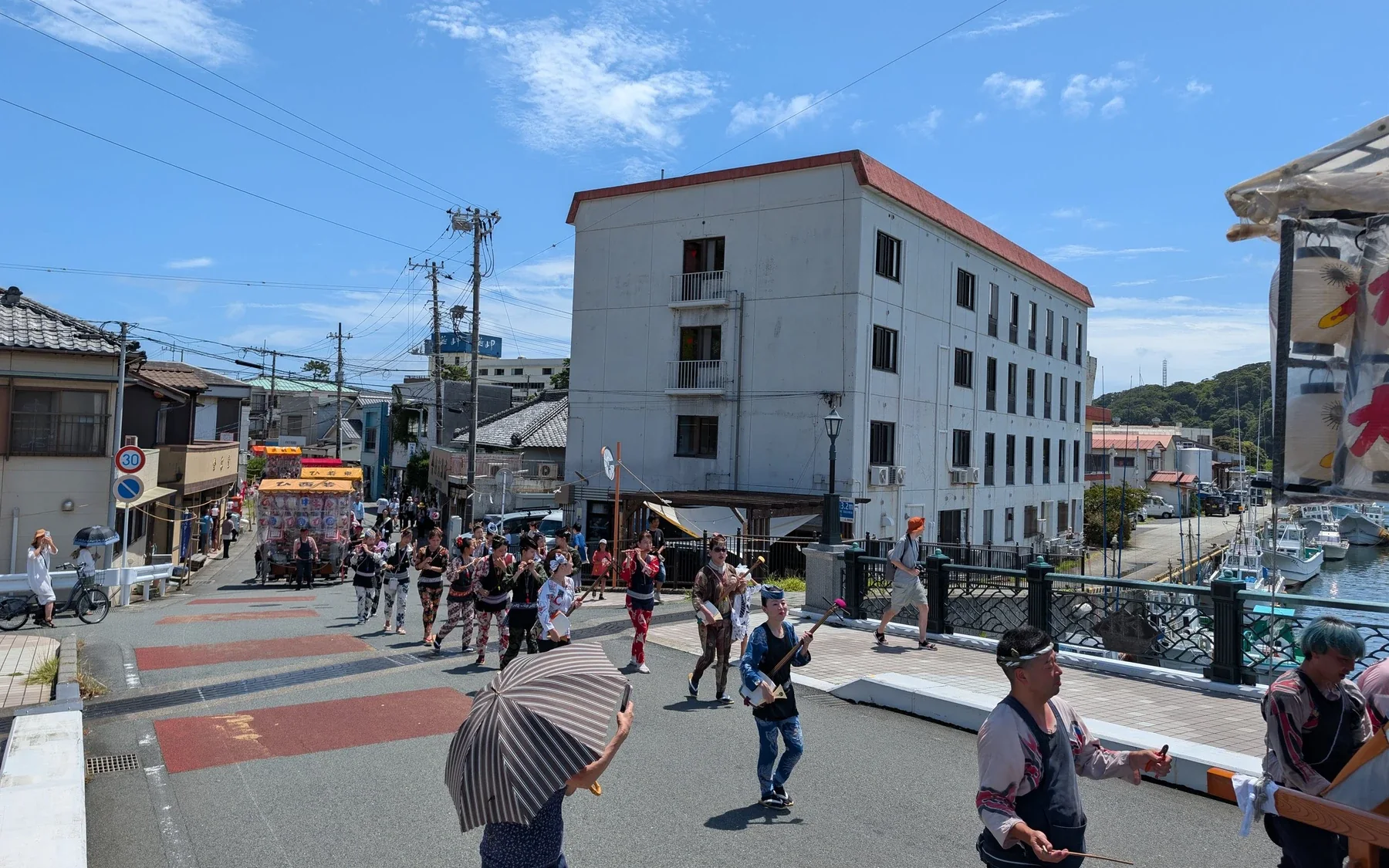
海と山が近く、東京とも行き来できる下田へ。このまちで出会った人たちの言葉にも後押しされ、家族で移り住みました。We moved to Shimoda as a family: a place close to the sea and mountains, yet within reach of Tokyo. The people we met here helped us feel that we could make a home in the town.
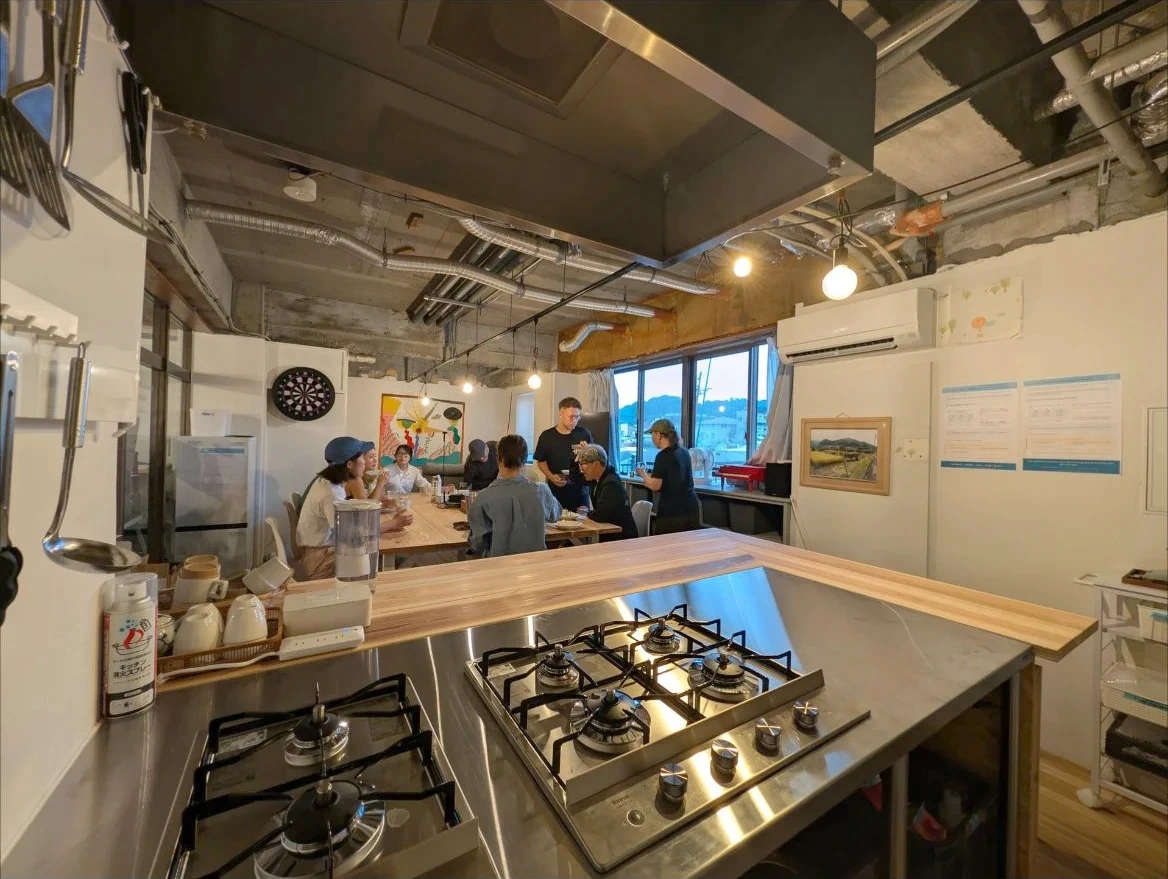
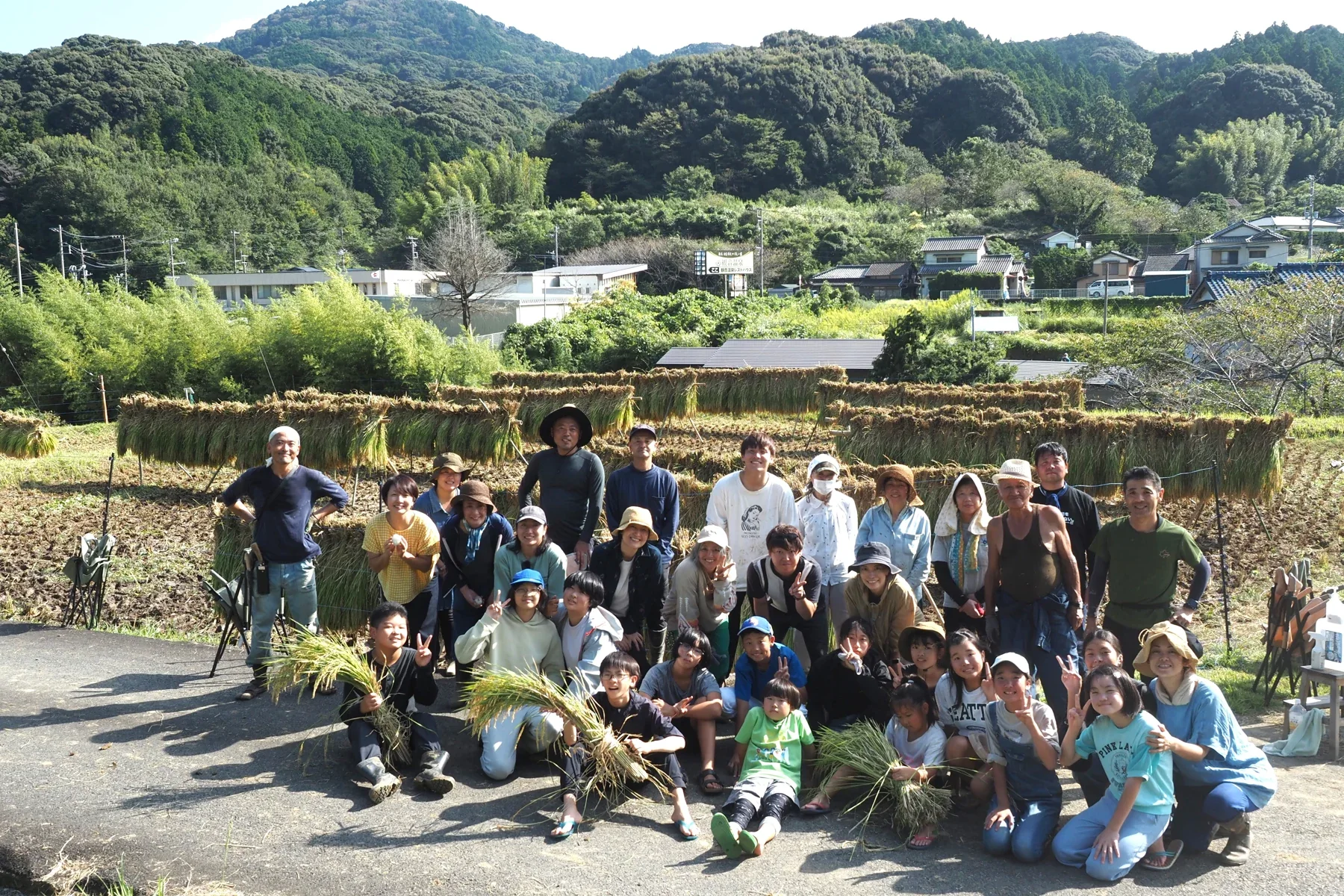
耕作放棄地を借りて米を育て、古民家を自分たちで直す。地域の活動にも関わるようになり、やがて、企業が運営するワーケーション施設の拠点マネージャーを務めることになります。We rented unused farmland to grow rice, worked on an old house ourselves, and became involved in local activities. Later, I managed a company-run workation facility.
2024年7月、風まち下田を開く。Opening Kazemachi in July 2024.
その施設は、運営企業の方針変更により閉鎖が決まりました。人が集まり始めていたこの場所を、もう一度開くことはできないだろうか。ここでつながったのが、バーの経験、建築の仕事、下田での暮らしです。When the company changed direction, the facility was scheduled to close. I wondered whether this place, where connections were already forming, could open again. My experience with the bar, renovation and life in Shimoda came together here.
独立を決め、クラウドファンディングでは188名の方に支えていただき、2024年7月、この建物を「風まち下田」として開きました。I decided to run it independently. With support from 188 crowdfunding backers, I opened Kazemachi Shimoda in July 2024.

いま、ここで続いていること。What continues here today.
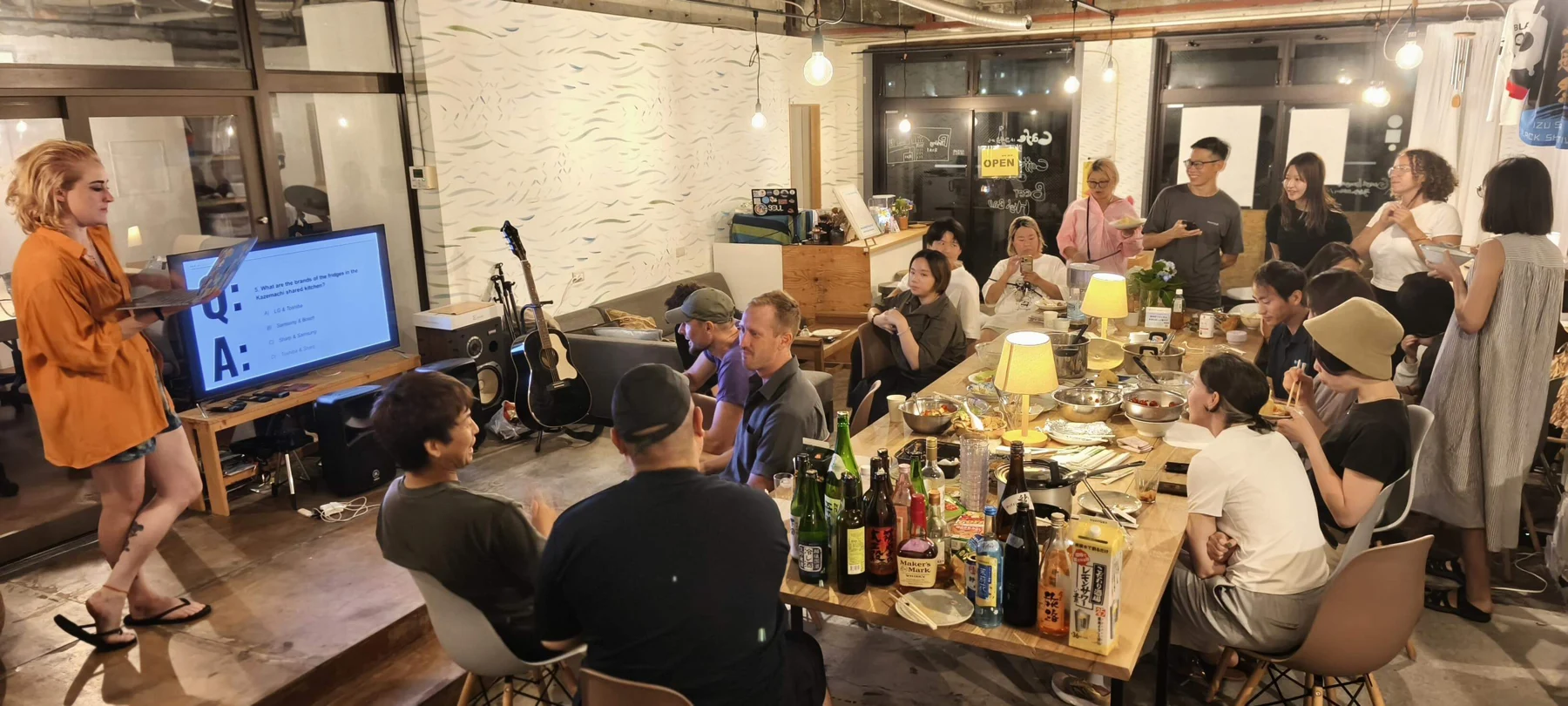
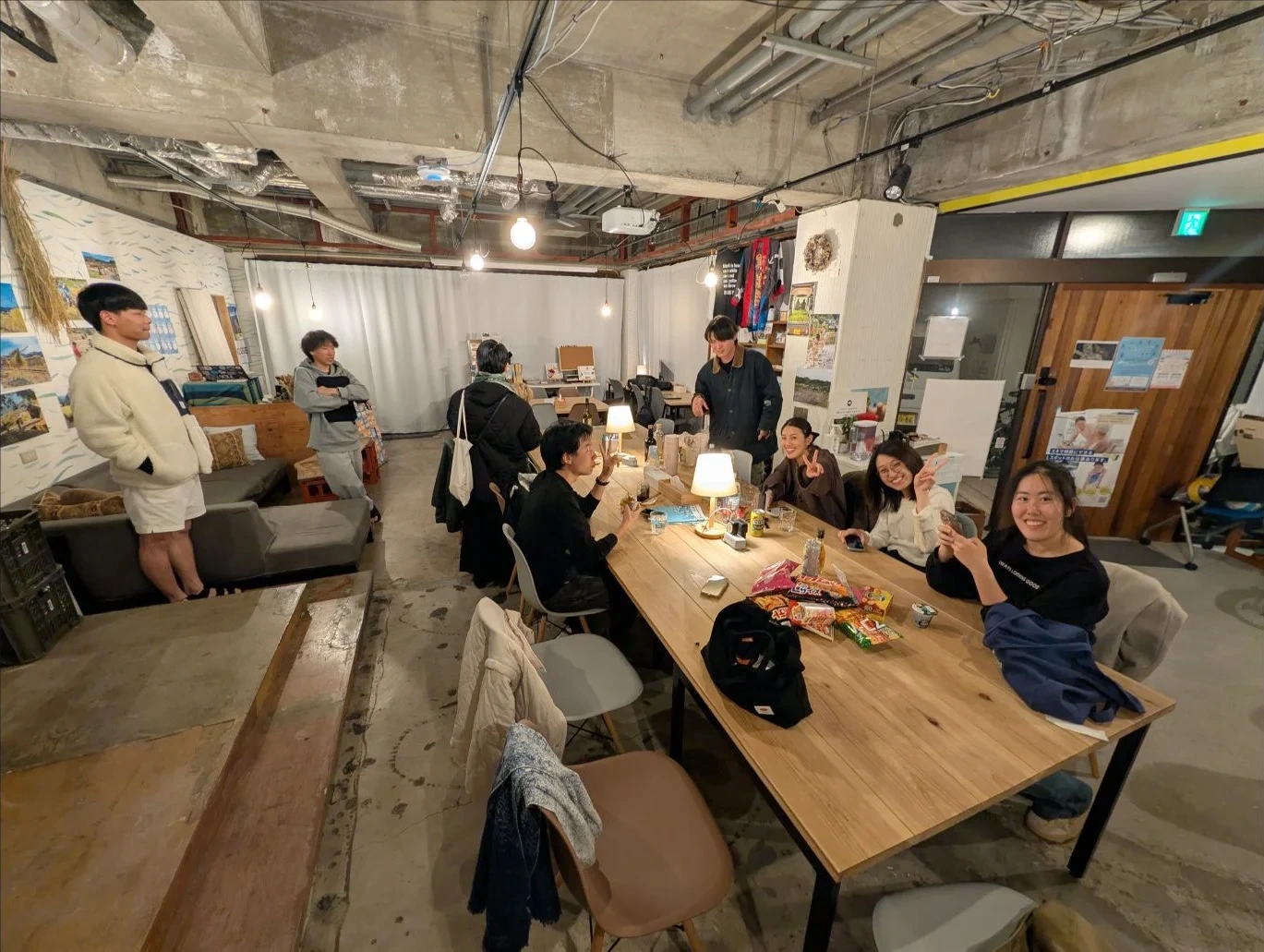
旅人が泊まり、近所の人がお茶を飲みに来る。誰かが仕事をしている隣で、別の誰かが次の企画を考えている。そんな日常を続けていける場所にしたいと思っています。Travelers stay, neighbors drop by for tea, and someone works while someone else plans a new project. I want Kazemachi to be a place where these ordinary moments can continue.
にぎやかに過ごす日も、ひとりで静かに過ごす日もあっていい。ここに来る方が、自分のペースで居られることを大切にしながら、風まちを育てていきます。There is room for sociable days and quieter ones. As Kazemachi develops, I want everyone who comes here to be able to find their own pace.